


What Google Gemini 4 Argon Means for Digital Marketing
Most AI tools for marketing right now are just fast typists. They write average blog posts, generate generic emails, and spit out surface-level summaries of short articles.I stopped getting excited about new model releases a few months ago. They all felt the same. The real bottleneck in digital marketing is rarely content creation. The bottleneck is data processing, technical troubleshooting, and large-scale audits.
Then Google announced Gemini 4 Argon on September 30, 2026. This one is actually different.
Google didn't build Argon to write social media captions. They built it for software engineers, cybersecurity teams, and financial analysts.
But this exact technical skill set is what makes it highly useful for marketers.
The One Million Token Memory
Older AI models forget what you told them after a few pages of text. You feed them a large dataset, and halfway through the analysis, they lose the context.
Argon has an output limit of up to 1 million tokens.
I remember a project last year where a client asked me to audit 400 blog posts for internal linking opportunities. I tried feeding the site data into an older AI model. The system crashed twice, hallucinated URLs that didn't exist, and eventually gave up. I had to do it manually in a spreadsheet over three days.
Argon handles that kind of volume easily. You can dump your entire site architecture, Google Search Console data, and a year of analytics into it. It reads the whole thing, plans a sequence of steps, and executes the audit without losing the plot.
Fixing Broken Code and Technical SEO
Marketers are often at the mercy of development teams. If a complex set of tracking tags breaks or a site migration goes wrong, we usually have to open a Jira ticket and wait.
Argon is trained specifically for complex software engineering and debugging.
For a technical SEO expert or a performance marketer, this provides a lot of independence. You can feed Argon your website's broken schema markup or a failing Google Tag Manager script. It doesn't just guess the problem. It reasons through the code, finds the bug, and rewrites the script for you.
Analyzing Video and Charts
Marketing is a visual field. We spend hours reviewing video content and reporting on performance charts.
Argon is highly multimodal. It can understand long videos and analyze professional charts directly.
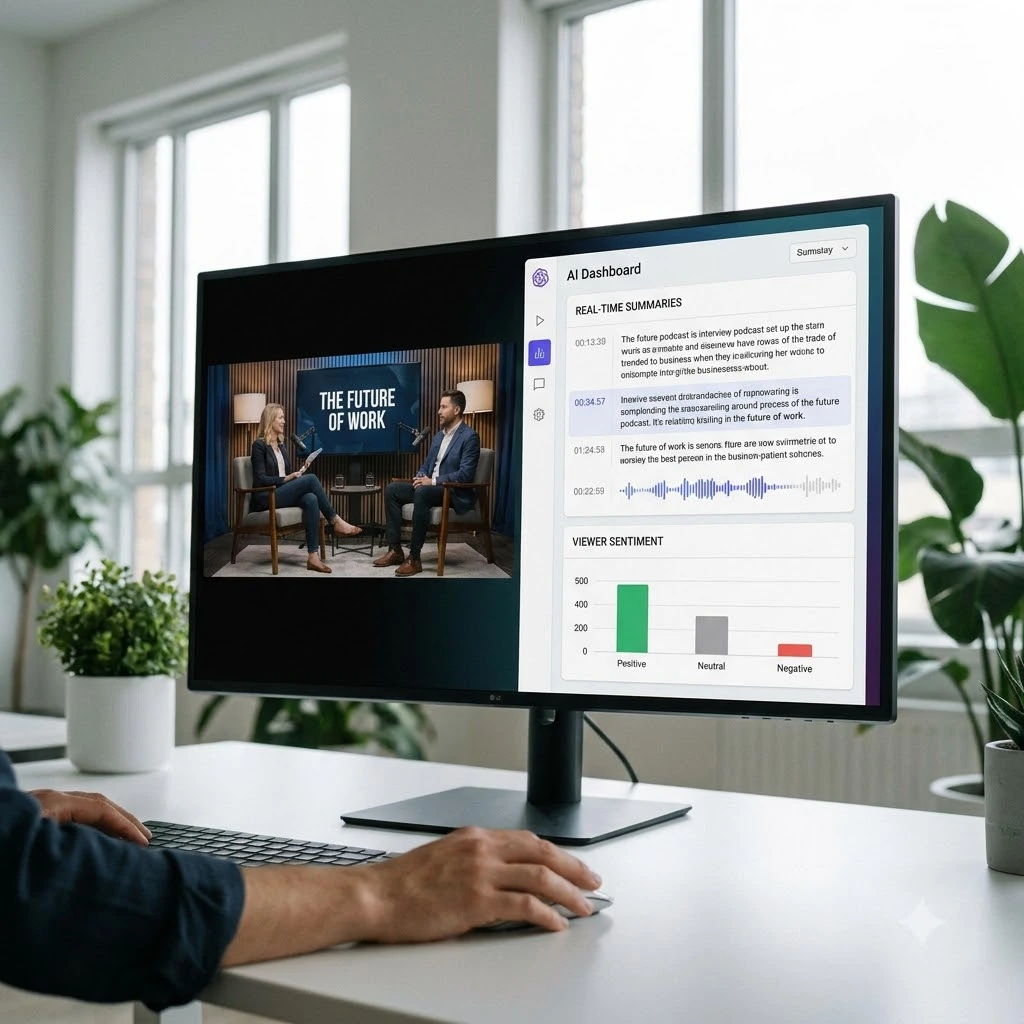
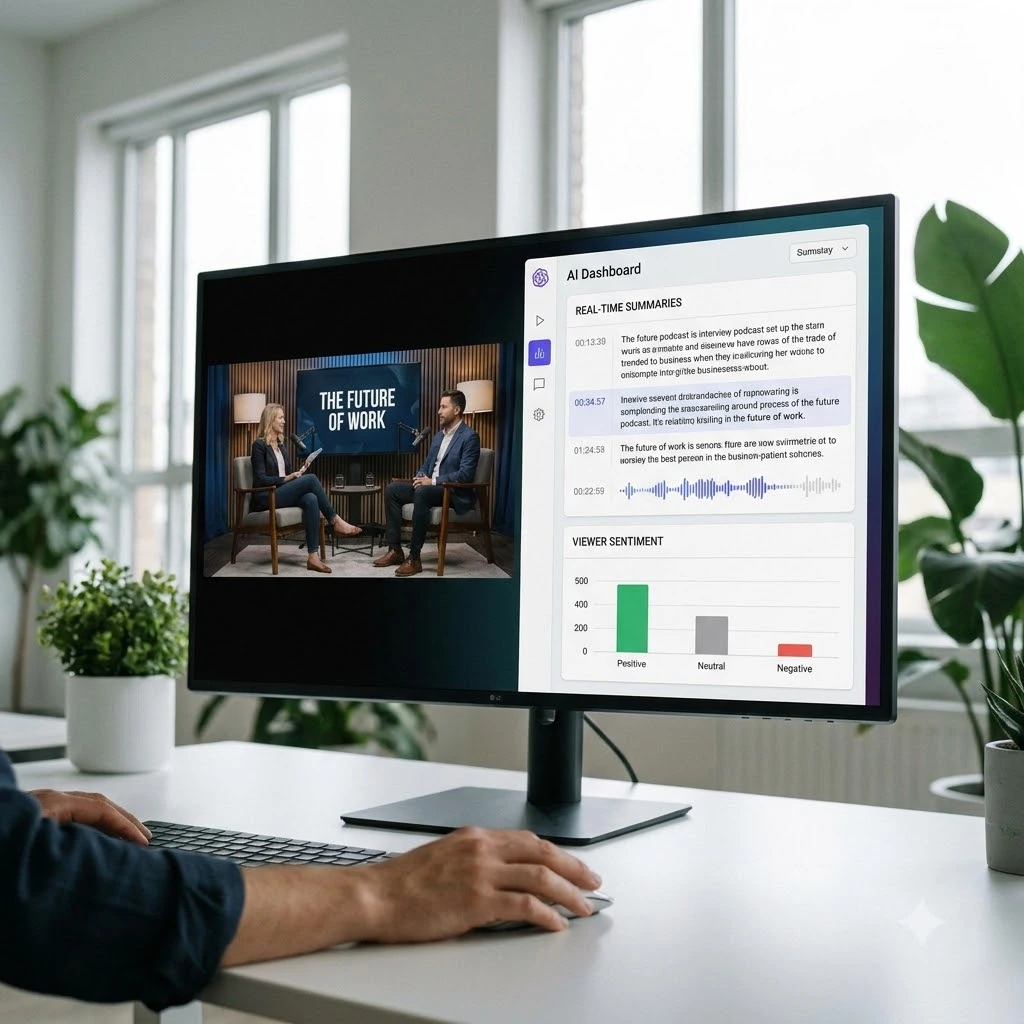
Think about podcast marketing. Right now, extracting the best clips from a two-hour interview takes heavy human effort. You have to watch the whole thing, note the timestamps, and manually cut the audio.
With Argon, you upload the video file. You ask it to find the three segments where the guest talks about user retention, analyze the sentiment, and draft a summary for a YouTube description. It does the heavy lifting.
Real Analysis Over Vague Summaries
Most AI gives you a shallow summary of your data. Argon uses sustained multi-step reasoning.
If you upload three years of paid ad spend across Meta and Google, you don't just get a recap. You can ask it to cross-reference the data, isolate the exact quarter where customer acquisition cost spiked, and pull information from multiple documents to find the cause.
Google placed Argon at the top of the Vals Index for professional knowledge work, including finance and coding.
The Catch is the Cost
This level of computing power isn't free, and it isn't available to everyone just yet. Argon is currently rolling out to trusted testers and specific partners, heavily focused on cybersecurity defenders right now.
Google set the introductory API pricing at $2 per million input tokens and $10 per million output tokens.
This is an enterprise tool. It is not something a solo blogger uses to write a quick draft. It is for marketing teams handling massive datasets and complex web architectures.
Putting the Pieces Together
Getting value out of a tool like Argon requires more than just buying API access. You have to know how to connect it to your existing workflows.
This is where a lot of companies get stuck. They buy the software but lack the internal technical skills to build the automated systems.
If you run a mid-sized or enterprise marketing team, you need a partner who understands both the marketing strategy and the technical backend. This is exactly what Flexon Digital does. We actually build the custom workflows that connect advanced models like Argon directly to your live data. If you are tired of manual data entry and want to automate your heaviest analytical tasks, reach out to the team at Flexon Digital.
The Reality of Marketing AI
Argon is not going to replace marketing strategy. A human still needs to ask the right questions, set the boundaries, and decide what the data actually means for the business.
What it does is remove the friction of data processing.
It debugs the tracking code.
It cross-references the massive spreadsheets.
It scrubs the long videos for context.
It takes the tedious, time-consuming tasks and does them instantly. That gives us more time to actually think about our campaigns. And that is a good thing.
Comments
No comments yet. Be the first to share your thoughts!
Leave a Comment